

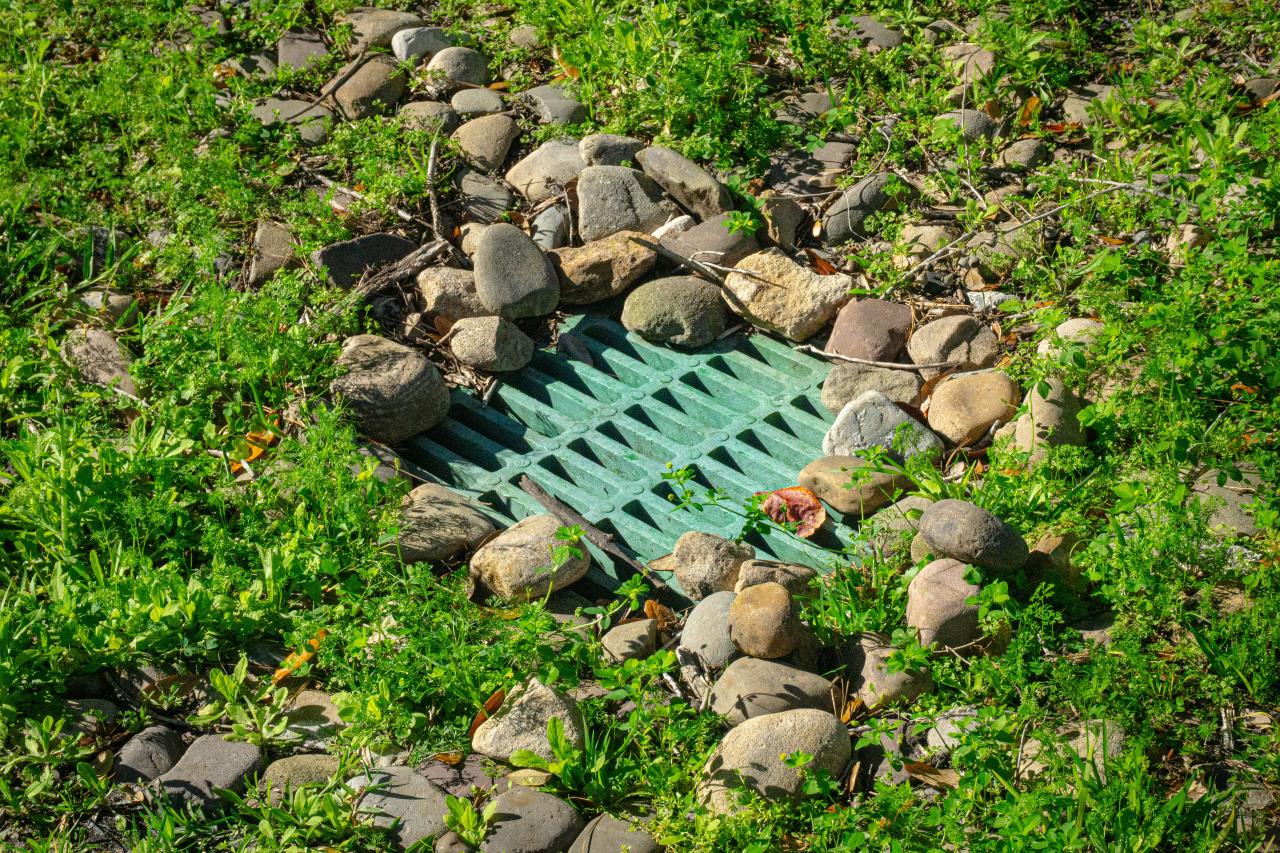
The strategic implementation of high-capacity stormwater reclamation systems has evolved from a secondary utility concern into a critical pillar of high-performance estate management, offering a sophisticated framework for achieving total water independence while significantly enhancing the property’s ecological and financial valuation. In the ultra-prime residential sector, a large-scale estate is no longer viewed as a static landholding but as a dynamic hydrological system capable of capturing, purifying, and repurposing every drop of precipitation that falls within its boundaries.
This transition toward “circular water governance” is driven by a convergence of increasing utility volatility, stringent municipal runoff regulations, and a growing desire among the global elite for estates that function as self-sustaining sanctuaries of resilience. A modern reclamation system utilizes a multi-layered architectural approach—incorporating permeable hardscaping, bioswale filtration, and massive subterranean cisterns—to de-risk the property against the dual threats of localized flooding and prolonged seasonal drought. For the discerning investor, the integration of these systems provides a measurable “sustainability premium,” as properties equipped with independent water cycles are increasingly prioritized by institutional-grade capital and environmentally conscious buyers. Furthermore, the ability to utilize medical-grade filtration and UV sterilization ensures that reclaimed water is not just for irrigation, but can be elevated to potable standards for use in architectural water features, cooling systems, and domestic supply.
As we navigate the climate landscape of 2026, the mastery of stormwater reclamation has become a definitive benchmark for premium estates, transforming the landscape into a living, responsive organism that preserves the environment as effectively as it protects the owner’s wealth. By focusing on the intersection of biological filtration, structural storage, and intelligent digital monitoring, a large estate can transcend the limitations of the public grid and achieve a level of autonomy that is both prestigious and profoundly practical.
The journey toward total water self-sufficiency begins with a forensic mapping of the estate’s topography to identify the most efficient paths for collection and storage. Every roof surface, driveway, and terrace must be treated as a catchment area, integrated into a centralized “smart” backbone that governs the flow and quality of the water. The following strategic pillars represent the gold standard for constructing and managing a high-performance stormwater reclamation system on a large-scale estate.
Strategic Pillars of Estate Water Reclamation

A successful reclamation strategy requires a move away from “gray infrastructure” in favor of integrated systems that mimic natural hydrological processes.
These systems must be built into the very bones of the estate during the planning phase to ensure they remain invisible to the naked eye while operating with institutional-grade reliability.
Consider these ten essential components that define the modern high-yield estate water strategy:
A. Multi-Stage Subterranean Storage and Modular Tank Systems
B. Permeable Architectural Hardscaping and Infiltration Zones
C. Biological Pre-Filtration and Engineered Bioswale Networks
D. Advanced UV Sterilization and Carbon Infusion Treatment
E. Intelligent Hydrological Monitoring and Cloud-Based Governance
F. Predictive Flood Mitigation and Adaptive Spillway Design
G. Integrated Irrigation Sync and Soil-Moisture Feedback Loops
H. Secondary Graywater Blending and Volume Optimization
I. Aesthetic Water Feature Integration and Thermal Mass Usage
J. Forensic Maintenance Protocols and Remote Diagnostic Logs
Multi-Stage Subterranean Storage and Modular Tank Systems
The heart of an estate’s reclamation system is a network of massive, modular subterranean tanks that provide the storage capacity needed to bridge the gap between rain events.
These tanks are often constructed from reinforced concrete or high-density polymers, wrapped in specialized liners to ensure a 100-year structural lifespan.
By placing storage underground, the estate preserves its buildable area and aesthetic integrity while maintaining a massive “water bank” that is protected from evaporation.
These systems are typically designed with a “first-flush” diverter that ensures the most contaminated water—the initial runoff from a storm—is bypassed to a separate treatment zone.
The remaining high-quality water is then stored in primary and secondary chambers, allowing for natural sedimentation to occur before the water enters the filtration phase.
Strategic storage is the primary hedge against the rising cost of municipal water and the increasing frequency of regional water restrictions.
Permeable Architectural Hardscaping and Infiltration Zones
Traditional non-porous surfaces like asphalt and standard concrete are being replaced by high-performance permeable pavers and porous stone.
These materials allow water to soak directly into the ground, where it is naturally filtered by the sub-base before being collected by a network of perforated pipes.
This “infiltration-first” approach reduces the load on the estate’s drainage systems and prevents the erosion that can damage expensive landscaping and foundations.
Permeable hardscaping is an essential tool for meeting modern “zero-runoff” mandates, which require developers to manage all precipitation on-site.
These surfaces can be designed to match the most luxurious aesthetic palettes, ensuring that the technology of water management remains entirely invisible.
In 2026, the hallmark of a premium driveway is its ability to remain perfectly dry even during a torrential downpour.
Biological Pre-Filtration and Engineered Bioswale Networks
Before stormwater reaches the primary storage tanks, it is often directed through a series of engineered bioswales—shallow, vegetated channels that act as natural filters.
These swales use a specialized mix of gravel, sand, and native plants to remove pollutants, heavy metals, and hydrocarbons from the runoff.
This biological “scrubbing” is a highly effective and low-cost way to ensure the water enters the storage phase with a high degree of purity.
Bioswales also serve as a beautiful landscaping feature, increasing the biodiversity of the estate and providing a habitat for local wildlife.
They act as a “soft” buffer that slows down the velocity of the water, preventing the surge of runoff that often overwhelms traditional storm drains.
Biological filtration is a key component of the “biophilic” estate, where every landscape element serves a functional, ecological purpose.
Advanced UV Sterilization and Carbon Infusion Treatment
For reclaimed water to be used for more than just irrigation, it must undergo a rigorous purification process.
Advanced systems utilize multi-stage carbon filters to remove odors and fine particulates, followed by high-intensity UV sterilization to eliminate pathogens and bacteria.
This process produces water that is often cleaner than what is provided by the municipal grid, making it safe for pools, spas, and architectural fountains.
In some high-performance estates, this treated water is even elevated to potable standards through reverse osmosis, providing a truly independent drinking water source.
The treatment plant is typically housed in a discreet, sound-proofed utility vault, ensuring that the “industrial” side of the water cycle remains hidden.
High-grade treatment is what transforms raw runoff into a valuable and versatile asset.
Intelligent Hydrological Monitoring and Cloud-Based Governance
The modern estate water cycle is governed by a centralized AI that monitors tank levels, water quality, and local weather forecasts in real-time.
This system can automatically “prepare” for a storm by lowering tank levels in advance or diverting water to secondary storage zones.
Through a custom dashboard, the estate manager can track the “ROI” of the system, calculating the exact volume of water reclaimed and the associated cost savings.
These digital systems also provide early warning alerts for leaks or filter clogs, ensuring that the infrastructure operates at peak performance with minimal human intervention.
Cloud-based governance allows for the remote management of multiple estates from a single interface, providing absolute control for global property owners.
Intelligence is the “invisible” layer that makes complex water reclamation both reliable and user-friendly.
Conclusion

Stormwater reclamation is the definitive strategy for building a resilient, self-sufficient, and high-value estate in 2026. Capturing every drop of precipitation allows an estate to decouple its lifestyle from the limitations of the public utility grid. Subterranean storage systems preserve the aesthetic beauty of the property while providing a massive hedge against seasonal drought. Permeable hardscaping and bioswales work together to manage runoff at the source, preventing erosion and foundation damage.
Advanced UV and carbon treatment transform raw stormwater into a versatile resource for irrigation, pools, and architectural features. The integration of these systems provides a measurable “sustainability premium” that enhances the property’s long-term market value. Intelligent digital monitoring ensures that the estate’s water cycle is always optimized for the local climate and weather patterns. Circular water management is a hallmark of “quiet luxury,” providing absolute security without any visible industrial footprint. The environmental benefits of reclamation—including improved watershed health and reduced grid load—align with global ESG standards. Ultimately, a reclaimed water system is a high-performance wealth asset that protects the environment as much as it serves the resident.

