

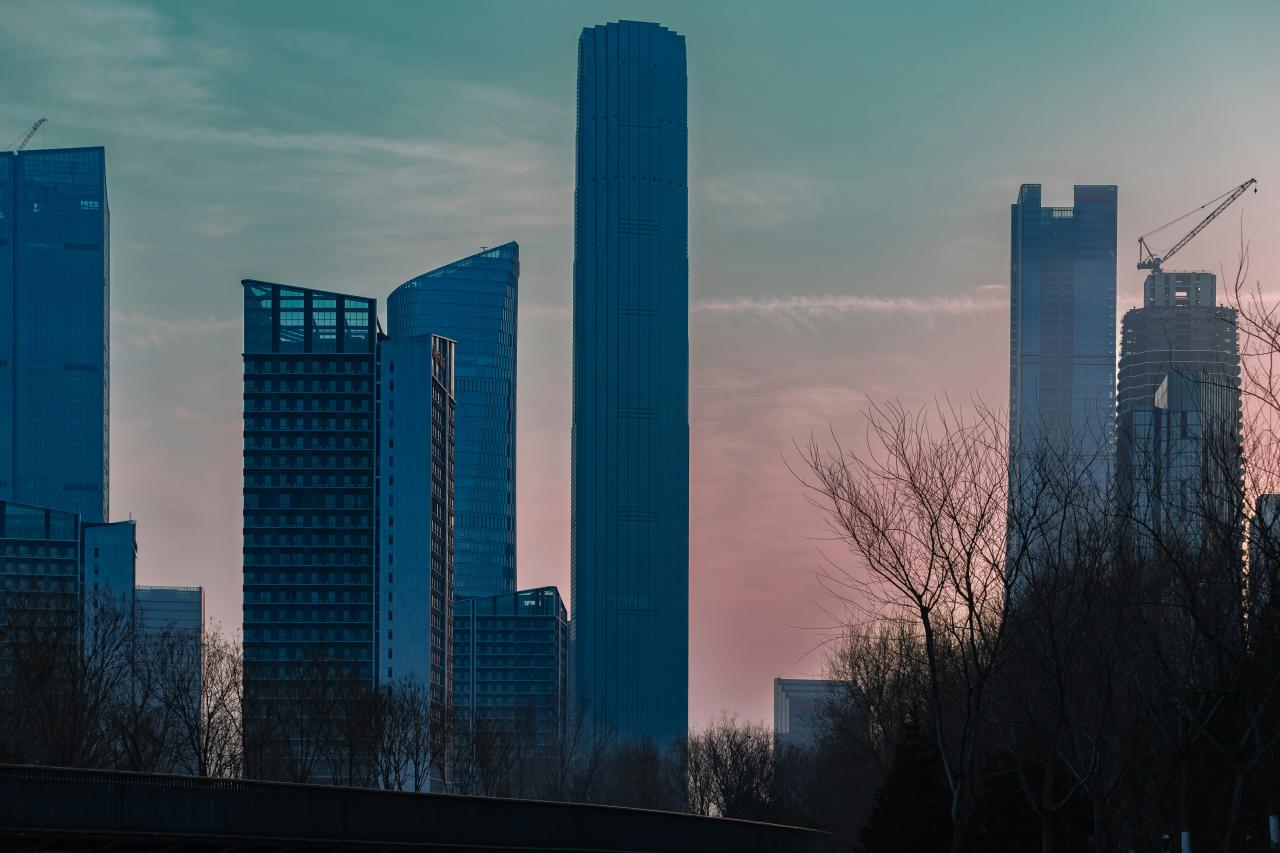
The strategic shift of global capital toward emerging secondary cities represents one of the most significant reconfigurations of the international real estate and investment landscape witnessed in the modern era of urbanization. As primary Tier-1 metropolises like New York, London, and Tokyo grapple with extreme saturation, prohibitive cost-of-living indices, and diminishing marginal returns on infrastructure development, savvy institutional and private investors are pivoting their focus toward high-potential urban centers that offer a more attractive entry point and superior growth trajectories.
These secondary cities, often characterized by robust local governance, specialized industrial clusters, and a surging demographic of young, highly educated professionals, are becoming the new engines of regional economic resilience and innovation. The migration of talent away from overcrowded mega-cities is being driven by a desire for a balanced lifestyle, affordable housing, and the decentralization of corporate operations, which has been accelerated by the widespread adoption of high-speed digital connectivity and remote work frameworks.
Investing in these emerging hubs requires a nuanced understanding of local supply chain dynamics, municipal zoning policies, and the specific catalysts that trigger a transition from a provincial center to a global player. Furthermore, the integration of sustainable urban planning and smart city technologies in these growing districts provides a “leapfrog” advantage, allowing them to bypass the legacy infrastructure problems that plague older, more established urban centers.
As sovereign wealth funds and private equity firms begin to reallocate their portfolios, the competition for prime commercial and residential assets in these secondary markets is intensifying, creating a window of opportunity for early movers to capture significant capital appreciation. This profound structural change is not a temporary fluctuation but a long-term trend rooted in the search for value, stability, and high-performance assets in an increasingly volatile global economy.
Navigating this complex environment demands a sophisticated analytical approach that combines macroeconomic forecasting with granular local market intelligence to identify the specific urban nodes that will define the next decade of prosperity. By focusing on these high-growth corridors, investors can build a diversified and resilient portfolio that is insulated from the diminishing yields of traditional primary markets while tapping into the vibrant energy of the world’s newest economic powerhouses.
The evolution of urban centers from quiet regional hubs to bustling economic hotspots is a fascinating process that creates immense value for those who can recognize the signs early. Secondary cities are currently outperforming their larger counterparts in terms of percentage growth and job creation, making them a top priority for premium wealth management. This analysis provides a detailed breakdown of the mechanics driving this growth and the specific sectors that are poised for the highest returns.
Critical Success Factors for Secondary City Investments

To identify which cities are truly on the verge of a breakthrough, one must look beyond simple population growth and examine the underlying structural indicators.
A city with a growing population but a stagnant job market is a recipe for a bubble, whereas a city with strong industrial backing is a fortress for capital.
Consider the following core pillars that determine the long-term viability and profitability of an emerging secondary urban market:
A. Strategic Proximity to Major Global Trade Corridors
B. Concentration of Specialized Technical and Research Institutions
C. Pro-Business Municipal Governance and Tax Incentive Frameworks
D. Scalable Digital Infrastructure and High-Speed Connectivity
E. Development of Multimodal Transportation and Logistics Hubs
F. Availability of High-Quality Healthcare and Educational Services
G. Sustainable Energy Integration and Resource Resilience
H. Cultural Vibrancy and Lifestyle Amenity Development
I. Diversified Industrial Base with Low Sector Sensitivity
J. Integrated Public-Private Partnerships for Infrastructure Growth
Strategic Proximity to Major Global Trade Corridors
The geographic location of a secondary city often dictates its ceiling for economic expansion and international relevance.
Cities that sit along major shipping routes, rail lines, or near significant international airports have a natural advantage in attracting global logistics and manufacturing firms.
This physical connectivity ensures that goods and services can flow in and out with minimal friction, lowering the cost of doing business.
Strategic proximity also refers to the distance from primary hubs, as many secondary cities act as “overflow” valves for larger neighbors.
As primary cities become too expensive, businesses often move their back-office or manufacturing operations to nearby secondary cities that offer lower rents.
This synergy creates a stable demand for commercial real estate and support services in the emerging market.
Concentration of Specialized Technical and Research Institutions
Education is the primary driver of a high-quality labor force, which is the most valuable resource any city can offer.
Secondary cities that house major universities or specialized research centers tend to foster a culture of innovation and entrepreneurship.
These institutions act as incubators for new startups and provide a steady stream of talent for established corporations looking to relocate.
The presence of a “knowledge cluster” creates a virtuous cycle where high-paying jobs attract more skilled workers, further boosting local consumption.
Investors should look for cities where there is a strong link between academia and the local industrial sector.
This collaboration ensures that the local economy remains at the forefront of technological advancement and global competitiveness.
Pro-Business Municipal Governance and Tax Incentive Frameworks
The speed and ease of doing business are often determined by the quality of local political leadership and administrative efficiency.
Emerging cities that offer streamlined permitting processes and aggressive tax incentives can quickly attract large-scale corporate investments.
Pro-business governance reduces the “red tape” that often slows down development projects and eats into investor profits.
Transparency and the rule of law are also critical factors for attracting international capital to a secondary market.
Investors need to know that their assets are protected and that local regulations will not change overnight without warning.
A stable and predictable political environment is the bedrock upon which long-term urban growth is built.
Scalable Digital Infrastructure and High-Speed Connectivity
In the modern era, the quality of a city’s digital pipes is just as important as the quality of its physical roads.
Secondary cities that have invested heavily in fiber-optic networks and 5G coverage are much better positioned to attract tech-centric businesses.
High-speed connectivity allows for the seamless integration of remote teams and the deployment of advanced smart city technologies.
A robust digital infrastructure also enhances the quality of life for residents, supporting everything from telehealth to online education.
As more people work from home, the demand for high-bandwidth residential zones in secondary cities has skyrocketed.
Cities that prioritize digital equity and accessibility will see the most significant gains in property values and economic activity.
Development of Multimodal Transportation and Logistics Hubs
Efficient movement within and between cities is essential for maintaining high levels of productivity and economic growth.
Emerging hubs that invest in integrated transit systems, including light rail, bus rapid transit, and extensive cycling lanes, reduce the costs of congestion.
Multimodal hubs that connect different forms of transport make the city more accessible and attractive to a diverse range of inhabitants.
Logistics hubs are particularly important for secondary cities that serve as distribution points for e-commerce and manufacturing.
Advanced warehousing facilities and “last-mile” delivery solutions are becoming major drivers of industrial real estate demand.
A city that can move people and products efficiently will always have a competitive edge in the global market.
Availability of High-Quality Healthcare and Educational Services
A city cannot thrive if its residents do not have access to essential human services that support their well-being.
High-quality hospitals and medical research centers not only provide care but also act as significant employers and economic anchors.
Similarly, a strong K-12 education system is a primary requirement for families looking to relocate from primary cities.
The development of “healthcare districts” or “education zones” can act as a catalyst for broader neighborhood revitalization.
These services create a stable and recession-resistant demand for nearby residential and retail properties.
Investing in cities with a solid social infrastructure ensures that the urban growth is sustainable and inclusive.
Sustainable Energy Integration and Resource Resilience
As the world moves toward a low-carbon economy, the resource efficiency of a city becomes a major factor in its long-term viability.
Secondary cities that utilize renewable energy sources, such as solar or wind, offer lower long-term utility costs and a cleaner environment.
Resource resilience also includes water security and waste management systems that can handle a growing population.
Green buildings and sustainable infrastructure projects often command higher rents and experience lower vacancy rates.
Investors are increasingly looking for assets that align with Environmental, Social, and Governance (ESG) standards.
Cities that lead in sustainability will attract more institutional capital and high-end developers in the coming decade.
Cultural Vibrancy and Lifestyle Amenity Development
What makes a city a desirable place to live is often found in its parks, museums, restaurants, and entertainment venues.
Secondary cities that invest in their “cultural capital” can compete with primary hubs for the world’s most talented individuals.
A vibrant local scene fosters a sense of community and provides the social experiences that modern professionals crave.
Revitalizing historic districts and creating new public spaces can significantly boost the aesthetic appeal and market value of a city.
Lifestyle amenities are a key driver of the “15-minute city” concept, where everything a person needs is within a short walk or ride.
A city that is fun and engaging to live in will always have a strong and growing residential market.
Diversified Industrial Base with Low Sector Sensitivity
Relying on a single industry, such as manufacturing or mining, makes a city vulnerable to specific economic shocks.
The most resilient secondary cities are those with a diversified economy that spans technology, healthcare, finance, and services.
A diverse industrial base ensures that if one sector faces a downturn, the others can provide stability for the local economy.
Investors should analyze the local job market to ensure there is a healthy mix of large employers and small-to-medium enterprises.
This economic diversity creates a more stable tax base for the city, allowing for continuous investment in public services.
A balanced economy is the best defense against the cyclical nature of the global financial system.
Integrated Public-Private Partnerships for Infrastructure Growth
The scale of development required for an emerging city often exceeds the budget of a local government alone.
Public-private partnerships (PPPs) allow for the sharing of risks and resources in the construction of roads, bridges, and utilities.
These collaborations leverage the efficiency of the private sector to deliver high-quality infrastructure on time and under budget.
Successful PPPs are characterized by clear communication, shared goals, and a long-term commitment to the city’s success.
They provide a way for private investors to participate in large-scale projects that benefit the entire community.
A city that has a track record of successful partnerships is a much more attractive target for institutional investment.
The Role of Smart Technology in Urban Optimization
Smart city technology is not just a luxury; it is a tool for optimizing the performance of the entire urban system.
Sensors and data analytics can be used to manage traffic flow, reduce energy waste, and improve public safety.
In secondary cities, this technology can be integrated into new developments from the ground up, avoiding the cost of retrofitting.
Predictive modeling allows city planners to anticipate the needs of a growing population and plan infrastructure accordingly.
This digital-first approach to urban management makes the city more efficient and responsive to the needs of its residents.
Smart technology is a key differentiator that can propel a secondary city onto the global stage.
Future-Proofing Secondary City Portfolios
Investing in emerging markets requires a long-term perspective and a commitment to understanding the local context.
The goal is to build a portfolio that can adapt to changing economic conditions and technological shifts.
This involves regular rebalancing and a proactive approach to asset management within the city.
Staying informed about local policy changes and demographic trends is essential for protecting your capital.
Working with local partners who have “on the ground” knowledge can provide a significant advantage in identifying hidden gems.
The future of global real estate belongs to those who can master the complexities of the emerging secondary city.
Conclusion

Emerging secondary cities offer a unique and powerful opportunity for high-value capital appreciation in the current market. The move toward decentralization is creating a new hierarchy of urban powerhouses that are outperforming traditional primary hubs.
Strategic geographic placement and connectivity remain the foundational drivers of long-term economic success for any urban center. Concentrating on cities with strong educational and research institutions ensures a continuous supply of high-quality human capital. Pro-business governance and efficient administration are essential for attracting and retaining large-scale international investments. Sustainable infrastructure and digital connectivity are the primary tools for modernizing the urban landscape and improving efficiency.
Diversifying local economies across multiple sectors provides a necessary hedge against global financial volatility and localized shocks. Cultural vibrancy and lifestyle amenities are critical for attracting the talented professionals who drive modern economic growth. Public-private partnerships provide the necessary scale and expertise to build the resilient infrastructure of the future. The strategic analysis of secondary markets is the most effective way to secure superior returns in the global property sector.

