

The global transition toward carbon-neutral infrastructure has triggered a monumental shift in the procurement landscape, moving beyond traditional cost-based selection toward a forensic, lifecycle-oriented sourcing framework that prioritizes “embodied carbon” reduction and structural longevity. In the high-stakes environment of 2026, modern infrastructure is no longer evaluated solely on its functional utility but on its ability to serve as a long-term carbon sink and a resilient anchor for metropolitan growth amidst increasing climatic volatility. This evolution is driven by a convergence of institutional-grade ESG mandates, the aggressive implementation of green building certifications, and a fundamental restructuring of the global supply chain, which now offers a diverse array of advanced materials—ranging from carbon-injected concrete to high-performance cross-laminated timber.
To truly master this procurement landscape, developers and civil engineers must look beyond the initial point of purchase to consider the total environmental debt of a material, including the energy intensity of its extraction, the distance of its transport, and its potential for eventual circular recovery. Furthermore, the integration of these sustainable materials is not merely an ethical choice but a strategic financial hedge against the rising costs of carbon taxation and the diminishing yields of traditional, resource-heavy assets. As we move deeper into a decade of rapid urban transformation, the ability to source and verify the “purity” of a project’s material palette has become the primary differentiator for firms aiming to attract sovereign wealth funds and premium institutional capital.
This deep dive into the mechanics of sustainable sourcing provides a comprehensive roadmap for those ready to redefine the boundaries of engineering excellence and environmental stewardship. By focusing on the intersection of biological innovation, recycled material logistics, and structural intelligence, modern infrastructure can achieve a level of resilience that is both technologically advanced and fundamentally sound.
The journey toward a sustainable infrastructure portfolio begins with the realization that every gram of steel and every liter of concrete carries a hidden ecological price tag that must be managed with the same rigor as a financial budget. As the regulatory environment shifts toward “Total Carbon Transparency,” the ability to provide an audited trail of material origin and impact has become a prerequisite for securing high-value municipal and private contracts. The following strategic pillars represent the gold standard for the sourcing and integration of high-performance sustainable materials in the modern built environment.
Core Pillars of Sustainable Infrastructure Procurement

Achieving true sustainability in infrastructure requires a multi-disciplinary approach that blends material science with advanced logistics and digital tracking.
A fragmented sourcing strategy—one that focuses on “green-washed” labels without understanding the granular data of the production process—will fail to meet the rigorous standards of the 2026 market.
Consider these ten essential components that define the modern high-performance material sourcing strategy:
A. Low-Carbon and Carbon-Injected Concrete Technology
B. Recycled Steel and Sustainable Metallurgical Sourcing
C. Cross-Laminated Timber (CLT) and Mass Timber Structures
D. Bio-Based Polymers and Natural Fiber Composites
E. Circular Economy Logistics and Demolition Waste Recovery
F. Forensic LCA (Life Cycle Assessment) and EPD Verification
G. High-Albedo Surfaces and Urban Heat Island Mitigation
H. Geopolitical Sourcing Resilience and Localized Supply Chains
I. Smart Material Tracking with Blockchain-Enabled Transparency
J. Advanced Thermal Envelopes and High-R-Value Insulation
Low-Carbon and Carbon-Injected Concrete Technology
Concrete remains the most utilized material in infrastructure, yet its traditional production is a major source of global CO2 emissions, necessitating a rapid shift toward low-carbon alternatives.
Modern sourcing frameworks prioritize “green cement” blends that utilize industrial by-products like fly ash, slag, or calcined clays to replace the energy-intensive clinker component.
Carbon injection technology—which permanently traps industrial CO2 inside the concrete during the mixing process—has emerged as a game-changer, increasing the material’s compressive strength while reducing its carbon footprint.
By specifying these high-performance blends, developers can reduce the embodied carbon of a structure by up to 40% without compromising the structural integrity or the construction timeline.
Sourcing concrete locally is also essential for minimizing the emissions associated with the transport of such a heavy material.
Concrete is no longer a liability; it is an active platform for carbon sequestration and structural innovation.
Recycled Steel and Sustainable Metallurgical Sourcing
Steel is the skeletal framework of modern infrastructure, and the transition toward “Green Steel” is being driven by the shift from traditional coal-fired blast furnaces to Electric Arc Furnaces (EAF).
EAF production utilizes recycled scrap metal as its primary feedstock and can be powered entirely by renewable energy, resulting in a significantly lower carbon intensity per ton.
Sourcing steel from manufacturers who utilize “Direct Reduced Iron” (DRI) with hydrogen instead of natural gas is the new benchmark for high-performance projects.
The durability and infinite recyclability of steel make it a cornerstone of the circular economy, provided that the sourcing process is verified through Environmental Product Declarations (EPDs).
Investors are increasingly looking for “Circular Steel” certifications that prove the material can be recovered and repurposed at the end of the building’s lifecycle.
Sustainable metallurgy is the key to building resilient, high-capacity infrastructure that stands the test of time.
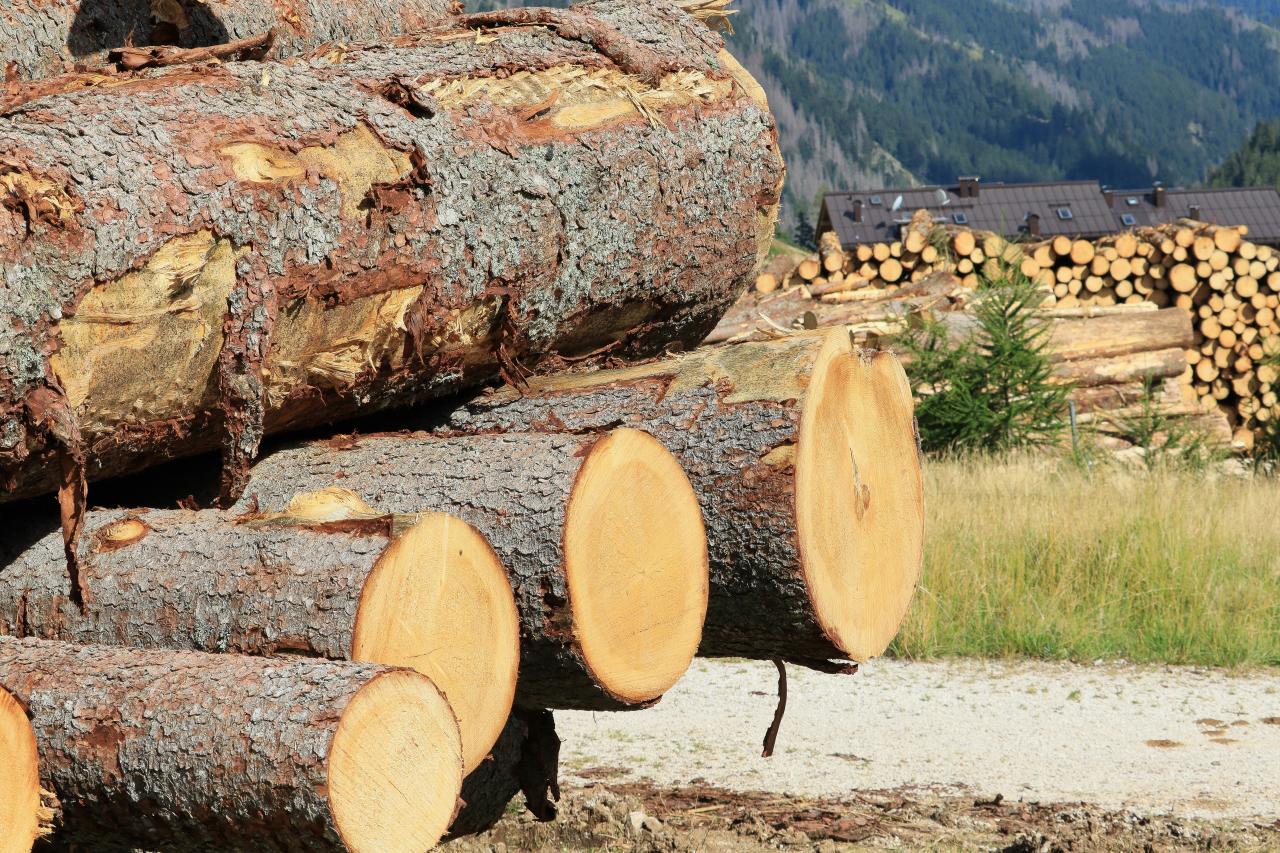
Cross-Laminated Timber (CLT) and Mass Timber Structures
The rise of Mass Timber represents a radical shift in high-rise and mid-rise infrastructure, offering a renewable alternative to traditional steel and concrete frames.
Cross-Laminated Timber (CLT) consists of layers of kiln-dried lumber glued together in alternating directions, creating a material with a strength-to-weight ratio that rivals reinforced concrete.
Timber acts as a natural carbon sink, sequestering CO2 for the entire lifespan of the building and providing a warm, biophilic aesthetic that is highly attractive to premium tenants.
Sourcing for Mass Timber requires a commitment to “Forest Stewardship Council” (FSC) or PEFC certifications to ensure the lumber is harvested from sustainably managed forests.
The pre-fabricated nature of CLT panels allows for much faster on-site assembly, significantly reducing the environmental impact and noise pollution of the construction process.
Timber is the “high-tech” material of the future, blending ancient biological wisdom with modern structural engineering.
Circular Economy Logistics and Demolition Waste Recovery
The most sustainable material is often the one that has already been used, making demolition waste recovery a primary driver of modern sourcing frameworks.
Infrastructure projects are increasingly incorporating “urban mining,” where materials from decommissioned buildings—such as crushed aggregate, reclaimed wood, and recycled glass—are integrated into new construction.
This circular approach reduces the demand for virgin resources and minimizes the volume of waste diverted to landfills.
Implementing a circular logistics plan requires a high degree of coordination between demolition contractors and material suppliers to ensure the quality and purity of the recovered stream.
Using recycled glass as an additive in road construction or reclaimed brick for architectural facades adds a layer of “storytelling” and historical resonance to the project.
Circular logistics is the definitive strategy for reducing the “net-new” environmental impact of expanding metropolitan footprints.
Forensic LCA (Life Cycle Assessment) and EPD Verification
In the modern procurement landscape, a material’s “green” status must be backed by granular, verifiable data in the form of an Environmental Product Declaration (EPD).
Forensic Life Cycle Assessments (LCA) are used to calculate the total impact of a material from “cradle to grave,” accounting for every stage of its existence.
This data-driven approach allows developers to compare the true environmental cost of different material choices with absolute precision.
Sourcing teams now utilize specialized software to aggregate these EPDs into a single “carbon budget” for the entire project.
Verification by third-party auditors is essential for achieving the highest levels of LEED, BREEAM, or Net-Zero certifications.
LCA data is the “currency” of sustainable infrastructure, providing the transparency required for institutional-grade ESG reporting.
Conclusion

Sustainable material sourcing is the foundational requirement for building resilient and high-value modern infrastructure. Transitioning toward carbon-injected concrete allows for significant CO2 sequestration without a loss in structural performance. Green steel production utilizing renewable energy and recycled scrap is the new benchmark for industrial-grade metallurgy. Mass timber offers a renewable and biophilic alternative to traditional high-rise framing, acting as a permanent carbon sink. Circular economy logistics prioritize the recovery and reuse of materials, reducing the reliance on finite virgin resources.
Forensic Life Cycle Assessments provide the data-driven transparency needed to manage a project’s total environmental debt. Geopolitical sourcing resilience is enhanced by prioritizing localized supply chains and reducing transport-related emissions. Digital tracking and blockchain technology ensure the purity and origin of every material in the project’s palette. High-performance thermal envelopes and bio-based polymers are essential for reducing the operational energy of the finished asset. Ultimately, sustainable sourcing is a strategic financial hedge that protects an infrastructure portfolio against future regulatory and climatic risks.

